

Whether fair or unfair, water and wastewater equipment manufacturing does not come first to mind for meeting these demands. Young people who have backgrounds in engineering, technology, analytics, and related disciplines are often initially unaware of the industry. On exposure, their first impressions are less compelling than career and social impact opportunities in more well-known, “trendy” fields.
The Future of the Water Workforce
Snowflake Consulting • August 21, 2026
Finding the Talent to Lead the Way Forward
While the general public may not recognize their role, water and wastewater equipment manufacturers are key players in public health and environmental sustainability. The industry is at a crossroads. Its workforce is rapidly aging, and young talent is not arriving at the necessary rate to help close the impending gaps. Finding ways to recruit professionals with the skills required for future demands is critical.
Time is of the essence. Efforts are being made, but there is a lot left for businesses and the industry as a collective to do. In this post, we detail some key things to focus on:
- Modernize the Industry’s Image
- Shout from the Rooftops
- Use the Right Messengers
- Be Present in Key Spaces
- Engage the Future Early
- Amplify Corporate Innovations
- Emphasize Social Responsibility
- Highlight Leadership Opportunities
- Make Development Accessible
- Expand the Candidate Pool
- Transform Organizational Cultures

An Essential Global and Local Role
While they may go largely unrecognized by the general public, water and wastewater equipment manufacturers are key players in public health and environmental sustainability. Their products and technologies are providing access to clean water in communities around the world. They are also helping governments conserve water resources, reduce pollution, and protect fragile ecosystems.
The industry will be even more important over time. Both existing and emerging challenges like climate change, population growth, urbanization, aging municipal infrastructures are putting greater stress on water systems. Economic and political factors are driving costs higher. Companies will be relied upon to respond in these conditions with innovative, efficient practices and technologies.
Talent for an Evolving Landscape
Despite its important and expanding role in society, the industry’s workforce is aging quickly. It is dominated by long-tenured, highly experienced people, almost half of whom are likely to retire within the next decade. Young talent is not coming to help close the gap. Many employers are already reporting significant issues recruiting professionals with the skills needed to meet future demands.
Research indicates young professionals, especially those in technical disciplines, want to be always working with the latest techniques and technologies so they do not fall behind in their careers. They seek to be involved in collaboration and innovation with their employers and in their industries. Upward mobility is highly valued. Social responsibility and workplace diversity matter too.
Generational Recruiting Challenges
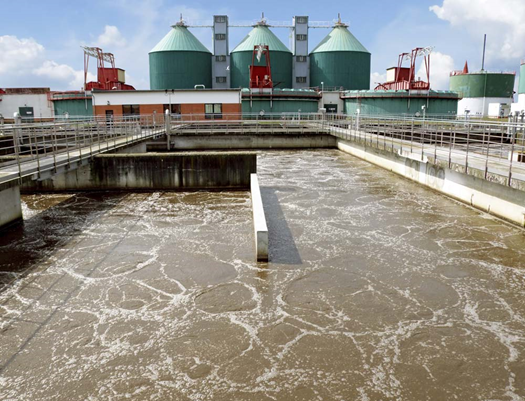
Stock imagery of manufacturing is not glamorous, and water and wastewater equipment does not suggest “cutting edge” to the average person. It can easily be perceived by outsiders as stagnant, which also feeds thoughts—which may be based in a degree of reality—of hierarchical structures and entrenched, insular cultures that typically do not value newer and/or lower-level employees’ ideas.
Moreover, the outward face of the industry is older and generally white. This reinforces the idea that it may not be “moving the needle” with modernized tools and techniques. There may also be perceived career ceilings, since leadership and management positions are occupied by tenured individuals. Young professionals may not see the diversity they expect, either, which is another recruiting barrier.

Overcoming the Talent Gap
Recruiting next generation talent is essential for water and wastewater equipment manufacturers, but doing this is not going to be easy. However, with the right responses, it is certainly possible. Both companies and the industry as a whole play a part in the solutions. Time is of the essence before the current workforce ages out and, while some things are being done, there is much left to do.
Below are 11 things companies in the industry, and the industry working together, can do to attract and hire young professionals:
1. Modernize the Industry’s Image
As previously discussed, the industry presents an image that does not necessarily reflect its vibrant reality and the opportunities that come with it. To attract the next generations, this needs to be fixed. Companies should work together in a coordinated, industry-wide effort to update public branding and create collateral for capture attention and provide more information when they develop interest.
2. Shout from the Rooftops
Manufacturers need to be loud in communicating what younger people care about most, like brand, innovation, development, and social impact. The messaging has to be clear and focused, and stand out in a crowd of trendy industries and potential employers. The emphasis should be less on the products than conveying a new industry image and the intangible benefits of company careers.
3. Use the Right Messengers
As impactful as branding can be, the storytellers will significantly affect who actually listens to and connects with them. Conveying messages through STEM, environmental, and social influencers as well as employees makes them more likely to be accepted by the target audiences. Campaigns that leverage engaging, credible voices can also help generate excitement around industry careers.
4. Be Present in Key Spaces
Younger people are engaging with a variety of sources to get information, such as social apps like LinkedIn, Instagram, and TikTok. Finding the right channels and delivering messages using engaging posts, videos of employees, virtual facility tours, and interactive games can capture candidates’ interest and educate them on the industry, and help project a modern brand and image.
5. Engage the Future Early
One effective way to recruit next generation talent is to affect educational pathways. Creating early interest in industry careers will develop a pipeline of future employees. Individually or as a collective, companies should consider working with select universities to, for example, offer guest lectures, course concentrations, and internships, and could even offer scholarships for industry education.
6. Amplify Corporate Innovations
The future is full of potential to transform water management. Understanding and applying leading and emerging technologies is essential. Companies should demonstrate innovations and impacts, and how employees contributed to them. Displaying excites candidates and shows they can keep their skills current and relevant while increasing public health, environmental, and other social benefits.
7. Emphasize Social Responsibility
The industry has great impact stories to tell, and highlighting its social and environmental roles increase its appeal to potential candidates. This can be done by showing actual projects delivering clean water and connecting them to relevant roles. Some companies may even quality for Certified B Corporation® status, a social purpose mark that the many prospects are recognize and value.
8. Be Present in Key Spaces
Younger people are engaging with a variety of sources to get information, such as social apps like LinkedIn, Instagram, and TikTok. Finding the right channels and delivering messages using engaging posts, videos of employees, virtual facility tours, and interactive games can capture candidates’ interest and educate them on the industry, and help project a modern brand and image.
9. Engage the Future Early
One effective way to recruit next generation talent is to affect educational pathways. Creating early interest in industry careers will develop a pipeline of future employees. Individually or as a collective, companies should consider working with select universities to, for example, offer guest lectures, course concentrations, and internships, and could even offer scholarships for industry education.
10. Expand the Candidate Pool
In recent years, there have been concerted efforts to expand under-represented groups’ access to and participation in STEM fields. Water and wastewater equipment manufacturers should increase efforts to diversify the workforce and take advantage of these sources of talent. It will take a specific focus on recruiting from areas not traditionally targeted, as well as internal changes to promote inclusion.
11. Transform Organizational Cultures
It will take time to adapt organizations for younger professionals' workplace “demands,” but it is both essential and beneficial. Many businesses will need to better integrate new employees, promote collaboration, provide meaningful opportunities for upward mobility, and encourage diversity. Such changes will attract more of the right people, and increase innovation (and retention) as they are hired.
Shared Responsibility

Water and wastewater equipment manufacturers need younger talent and, despite the challenges, can create and communicate exciting, rewarding career opportunities for the next generations. This will take both individual companies’ and the collective's efforts to re-imagine industry and employer branding, careers, marketing, and cultures. Given the urgency of the need, they have to get things moving today.
How Snowflake Can Help
We can help water and wastewater equipment manufacturers—individually and as an industry—overcome next generation recruiting challenges and get the right people to them into the future. We offer solutions to build industry talent pipelines, position employers to attract and hire qualified, motivated candidates in competitive labor markets, retain high performers, and more:
- Industry and Employer Branding
- Communications and Marketing
- Workforce Development
- Organizational and Job Design
- Labor Market-friendly Staffing Strategies
- Talent Acquisition and Retention
- Culture and Employee Engagement
We’ve helped clients across sectors and industries, in the US and abroad, address aging workforce and workforce transition concerns. The end results are establishment of a skilled, motivated, next generation talent pool that employers can access to not only replace the experienced professionals who are leaving, but also “move the needle” with new technologies, techniques, and innovations.
Finding the Talent to Lead the Way Forward
While the general public may not recognize their role, water and wastewater equipment manufacturers are key players in public health and environmental sustainability. The industry is at a crossroads. Its workforce is rapidly aging, and young talent is not arriving at the necessary rate to help close the impending gaps. Finding ways to recruit professionals with the skills required for future demands is critical.
Time is of the essence. Efforts are being made, but there is a lot left for businesses and the industry as a collective to do. In this post, we detail some key things to focus on:
- Modernize the Industry’s Image
- Shout from the Rooftops
- Use the Right Messengers
- Be Present in Key Spaces
- Engage the Future Early
- Amplify Corporate Innovations
- Emphasize Social Responsibility
- Highlight Leadership Opportunities
- Make Development Accessible
- Expand the Candidate Pool
- Transform Organizational Cultures
An Essential Global and Local Role
While they may go largely unrecognized by the general public, water and wastewater equipment manufacturers are key players in public health and environmental sustainability. Their products and technologies are providing access to clean water in communities around the world. They are also helping governments conserve water resources, reduce pollution, and protect fragile ecosystems.
The industry will be even more important over time. Both existing and emerging challenges like climate change, population growth, urbanization, aging municipal infrastructures are putting greater stress on water systems. Economic and political factors are driving costs higher. Companies will be relied upon to respond in these conditions with innovative, efficient practices and technologies.
Talent for an Evolving Landscape
Despite its important and expanding role in society, the industry’s workforce is aging quickly. It is dominated by long-tenured, highly experienced people, almost half of whom are likely to retire within the next decade. Young talent is not coming to help close the gap. Many employers are already reporting significant issues recruiting professionals with the skills needed to meet future demands.
Research indicates young professionals, especially those in technical disciplines, want to be always working with the latest techniques and technologies so they do not fall behind in their careers. They seek to be involved in collaboration and innovation with their employers and in their industries. Upward mobility is highly valued. Social responsibility and workplace diversity matter too.
Generational Recruiting Challenges
Whether fair or unfair, water and wastewater equipment manufacturing does not come first to mind for meeting these demands. Young people who have backgrounds in engineering, technology, analytics, and related disciplines are often initially unaware of the industry. On exposure, their first impressions are less compelling than career and social impact opportunities in more well-known, “trendy” fields.
Stock imagery of manufacturing is not glamorous, and water and wastewater equipment does not suggest “cutting edge” to the average person. It can easily be perceived by outsiders as stagnant, which also feeds thoughts—which may be based in a degree of reality—of hierarchical structures and entrenched, insular cultures that typically do not value newer and/or lower-level employees’ ideas.
Moreover, the outward face of the industry is older and generally white. This reinforces the idea that it may not be “moving the needle” with modernized tools and techniques. There may also be perceived career ceilings, since leadership and management positions are occupied by tenured individuals. Young professionals may not see the diversity they expect, either, which is another recruiting barrier.
Overcoming the Talent Gap
Recruiting next generation talent is essential for water and wastewater equipment manufacturers, but doing this is not going to be easy. However, with the right responses, it is certainly possible. Both companies and the industry as a whole play a part in the solutions. Time is of the essence before the current workforce ages out and, while some things are being done, there is much left to do.
Below are 11 things companies in the industry, and the industry working together, can do to attract and hire young professionals:
1. Modernize the Industry’s Image
As previously discussed, the industry presents an image that does not necessarily reflect its vibrant reality and the opportunities that come with it. To attract the next generations, this needs to be fixed. Companies should work together in a coordinated, industry-wide effort to update public branding and create collateral for capture attention and provide more information when they develop interest.
2. Shout from the Rooftops
Manufacturers need to be loud in communicating what younger people care about most, like brand, innovation, development, and social impact. The messaging has to be clear and focused, and stand out in a crowd of trendy industries and potential employers. The emphasis should be less on the products than conveying a new industry image and the intangible benefits of company careers.
3. Use the Right Messengers
As impactful as branding can be, the storytellers will significantly affect who actually listens to and connects with them. Conveying messages through STEM, environmental, and social influencers as well as employees makes them more likely to be accepted by the target audiences. Campaigns that leverage engaging, credible voices can also help generate excitement around industry careers.
4. Be Present in Key Spaces
Younger people are engaging with a variety of sources to get information, such as social apps like LinkedIn, Instagram, and TikTok. Finding the right channels and delivering messages using engaging posts, videos of employees, virtual facility tours, and interactive games can capture candidates’ interest and educate them on the industry, and help project a modern brand and image.
5. Engage the Future Early
One effective way to recruit next generation talent is to affect educational pathways. Creating early interest in industry careers will develop a pipeline of future employees. Individually or as a collective, companies should consider working with select universities to, for example, offer guest lectures, course concentrations, and internships, and could even offer scholarships for industry education.
6. Amplify Corporate Innovations
The future is full of potential to transform water management. Understanding and applying leading and emerging technologies is essential. Companies should demonstrate innovations and impacts, and how employees contributed to them. Displaying excites candidates and shows they can keep their skills current and relevant while increasing public health, environmental, and other social benefits.
7. Emphasize Social Responsibility
The industry has great impact stories to tell, and highlighting its social and environmental roles increase its appeal to potential candidates. This can be done by showing actual projects delivering clean water and connecting them to relevant roles. Some companies may even quality for Certified B Corporation® status, a social purpose mark that the many prospects are recognize and value.
8. Be Present in Key Spaces
Younger people are engaging with a variety of sources to get information, such as social apps like LinkedIn, Instagram, and TikTok. Finding the right channels and delivering messages using engaging posts, videos of employees, virtual facility tours, and interactive games can capture candidates’ interest and educate them on the industry, and help project a modern brand and image.
9. Engage the Future Early
One effective way to recruit next generation talent is to affect educational pathways. Creating early interest in industry careers will develop a pipeline of future employees. Individually or as a collective, companies should consider working with select universities to, for example, offer guest lectures, course concentrations, and internships, and could even offer scholarships for industry education.
10. Expand the Candidate Pool
In recent years, there have been concerted efforts to expand under-represented groups’ access to and participation in STEM fields. Water and wastewater equipment manufacturers should increase efforts to diversify the workforce and take advantage of these sources of talent. It will take a specific focus on recruiting from areas not traditionally targeted, as well as internal changes to promote inclusion.
11. Transform Organizational Cultures
It will take time to adapt organizations for younger professionals' workplace “demands,” but it is both essential and beneficial. Many businesses will need to better integrate new employees, promote collaboration, provide meaningful opportunities for upward mobility, and encourage diversity. Such changes will attract more of the right people, and increase innovation (and retention) as they are hired.
Shared Responsibility
Water and wastewater equipment manufacturers need younger talent and, despite the challenges, can create and communicate exciting, rewarding career opportunities for the next generations. This will take both individual companies’ and the collective's efforts to re-imagine industry and employer branding, careers, marketing, and cultures. Given the urgency of the need, they have to get things moving today.
How Snowflake Can Help
We can help water and wastewater equipment manufacturers—individually and as an industry—overcome next generation recruiting challenges and get the right people to them into the future. We offer solutions to build industry talent pipelines, position employers to attract and hire qualified, motivated candidates in competitive labor markets, retain high performers, and more:
- Industry and Employer Branding
- Communications and Marketing
- Workforce Development
- Organizational and Job Design
- Labor Market-friendly Staffing Strategies
- Talent Acquisition and Retention
- Culture and Employee Engagement
We’ve helped clients across sectors and industries, in the US and abroad, address aging workforce and workforce transition concerns. The end results are establishment of a skilled, motivated, next generation talent pool that employers can access to not only replace the experienced professionals who are leaving, but also “move the needle” with new technologies, techniques, and innovations.
Share Post
Read Other Posts

By Snowflake Consulting
•
August 25, 2026
We see startups with so many layers of leadership it’s almost absurd. What possible reason is there to hire an experienced Director, only to bury her in bureaucracy?

By Tom Morley
•
August 19, 2026
Gain insights on resilience & support from a consultant's journey through family crisis. Contact us for guidance today!

By Millree Williams
•
September 12, 2025
Learn how mature job seekers can leverage their experience and skills to thrive in the job market. Start showcasing your value today!

By Snowflake Consulting
•
September 4, 2025
Everything beneficial about hiring for key roles starts with abandoning the assumption that "older" means "less relevant" in today's world. It's simply not true. The companies that abandon their preconceptions are the ones that will succeed in the future.

By Rachel Marvin - Fellow, Marketing
•
April 12, 2024
Identify root causes of performance issues. Use Root Cause Analysis for sustainable solutions. Contact us for expert consulting!

By Snowflake Consulting
•
March 19, 2024
We created this short video to show you how you can reach and persuade more of the under-served and in need populations in your area through Relationship Marketing (RM). This powerful approach will help you make a greater impact in your community and in the lives of your neighbors.
By Snowflake Consulting
•
August 25, 2026
We see startups with so many layers of leadership it’s almost absurd. What possible reason is there to hire an experienced Director, only to bury her in bureaucracy?
By Tom Morley
•
August 19, 2026
Gain insights on resilience & support from a consultant's journey through family crisis. Contact us for guidance today!
By Millree Williams
•
September 12, 2025
Learn how mature job seekers can leverage their experience and skills to thrive in the job market. Start showcasing your value today!
By Snowflake Consulting
•
September 4, 2025
Everything beneficial about hiring for key roles starts with abandoning the assumption that "older" means "less relevant" in today's world. It's simply not true. The companies that abandon their preconceptions are the ones that will succeed in the future.
By Rachel Marvin - Fellow, Marketing
•
April 12, 2024
Identify root causes of performance issues. Use Root Cause Analysis for sustainable solutions. Contact us for expert consulting!
By Snowflake Consulting
•
March 19, 2024
We created this short video to show you how you can reach and persuade more of the under-served and in need populations in your area through Relationship Marketing (RM). This powerful approach will help you make a greater impact in your community and in the lives of your neighbors.
By Snowflake Consulting
•
August 25, 2026
We see startups with so many layers of leadership it’s almost absurd. What possible reason is there to hire an experienced Director, only to bury her in bureaucracy?
By Tom Morley
•
August 19, 2026
Gain insights on resilience & support from a consultant's journey through family crisis. Contact us for guidance today!
By Millree Williams
•
September 12, 2025
Learn how mature job seekers can leverage their experience and skills to thrive in the job market. Start showcasing your value today!
By Snowflake Consulting
•
September 4, 2025
Everything beneficial about hiring for key roles starts with abandoning the assumption that "older" means "less relevant" in today's world. It's simply not true. The companies that abandon their preconceptions are the ones that will succeed in the future.
By Rachel Marvin - Fellow, Marketing
•
April 12, 2024
Identify root causes of performance issues. Use Root Cause Analysis for sustainable solutions. Contact us for expert consulting!
By Snowflake Consulting
•
March 19, 2024
We created this short video to show you how you can reach and persuade more of the under-served and in need populations in your area through Relationship Marketing (RM). This powerful approach will help you make a greater impact in your community and in the lives of your neighbors.